How to Start a Consistent Yoga Routine at Cotton Cloud Yoga Studio
Building a consistent yoga routine is less about willpower and more about setting up the right conditions. At Cotton Cloud Yoga Studio, you have space, guidance, and community on your side; your part is to turn that potential into a regular habit. Here’s how to do it in a realistic, sustainable way.
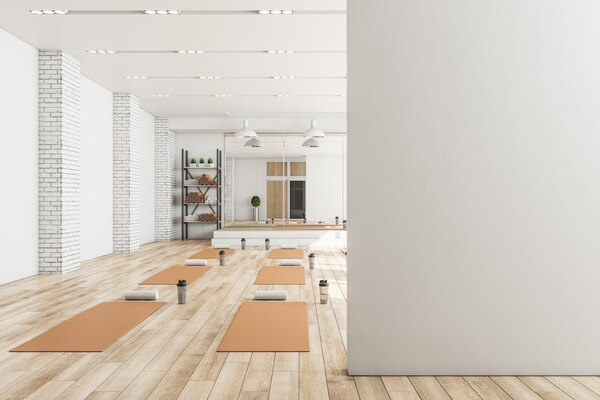
1. Define Your Personal “Why”
Before you roll out a mat, get clear on why you want a consistent practice. Your “why” will keep you going when motivation dips.
Ask yourself:
- Do you want to reduce stress or anxiety?
- Are you looking to build strength or improve flexibility?
- Are you recovering from burnout or seeking better sleep?
- Do you want a mindful break from screens and work?
Write down one to three reasons and keep them simple and specific:
- “I want 20 minutes where no one can ask me for anything.”
- “I want to wake up without back pain.”
- “I want to feel calmer in the evenings.”
Share your “why” with an instructor at Cotton Cloud Yoga Studio. They can help you choose classes that align with your goals, which makes it much easier to stay consistent.
2. Start Smaller Than You Think You Need
The biggest mistake beginners make is overcommitting. It’s better to practice three times a week for 30 minutes than to push for 90-minute daily classes and burn out after two weeks.
A realistic starting point:
- 2–3 studio classes per week, plus
- 5–10 minutes of simple stretching or breathing at home on off-days
This “small but stable” approach:
- Builds confidence
- Reduces the chance of injury
- Fits better into a busy schedule
Ask the front desk or instructors at Cotton Cloud Yoga Studio to help you map a beginner-friendly schedule for the first month.
3. Choose the Right Classes for Your Current Level
Matching the right style and level to where you are today—not where you think you “should” be—is crucial.
Typical beginner-friendly options to look for:
- Gentle / Beginner Yoga – Slower pace, clear instruction, ideal for absolute beginners.
- Hatha Yoga – Foundational postures with time to breathe and align.
- Yin or Restorative Yoga – Deep relaxation, long holds with lots of props, great for stress and recovery.
- Slow Flow / Basics Vinyasa – Introduces movement with breath, but at a manageable speed.
If Cotton Cloud Yoga Studio offers level labels (Level 1, Level 1–2, etc.), start at the lower end, even if you’re used to other workouts. Yoga demands different strengths—mobility, balance, attention—that take time to build.
Before or after class, tell the teacher:
- You’re new or returning after a long break
- Any injuries, pain, or conditions you’re managing
This lets them offer safer options and adjustments, which makes you more likely to feel good—and come back.
4. Create a Simple Weekly Routine
Consistency comes from routine, not random effort. Treat yoga like any other appointment.
Example beginner schedule using studio classes:
Option A: Evenings
- Monday: Gentle or Hatha class at Cotton Cloud
- Wednesday: Basics / Slow Flow at Cotton Cloud
- Saturday: Yin or Restorative at Cotton Cloud
Option B: Mornings
- Tuesday: Morning Hatha or Gentle at Cotton Cloud
- Thursday: Morning Basics Flow at Cotton Cloud
- Sunday: Restorative or slower practice at Cotton Cloud
On non-studio days, add 5–10 minutes at home:
- Cat–Cow, Child’s Pose, a few standing stretches
- Or 5 minutes of simple breathing: inhale for 4, exhale for 6
Keep it the same days and times as much as possible. Your body and brain adapt quickly to regular cues.
5. Use the Studio Environment to Your Advantage
One of the biggest benefits of Cotton Cloud Yoga Studio is that it’s a dedicated space for practice, free from home distractions.
Leverage that by:
- Arriving 10–15 minutes early
Gives you a chance to settle, choose a spot, and mentally shift from “day mode” to “practice mode.” - Creating a tiny pre-class ritual
For example: roll out your mat, place a block at the top, take three slow deep breaths with eyes closed. - Sitting quietly instead of scrolling
Spend those minutes noticing your breath and how your body feels. This strengthens the mental side of your practice.
Over time, simply walking into Cotton Cloud Yoga Studio will become a signal to your nervous system: “Now I’m safe. Now I can calm down.”
6. Set Up Your Gear Without Overcomplicating It
You don’t need perfect gear to start, and the studio likely provides solid basics. Still, having a few consistent items helps build a sense of ritual.
At minimum:
- Comfortable, stretchy clothes you can move in
- A hair tie or headband if you have longer hair
- A water bottle, especially for more active classes
If you bring your own mat:
- Choose one that doesn’t slip and feels good on your joints
- Keep it by your door or in your car on class days so you never “forget”
Cotton Cloud Yoga Studio probably offers blocks, straps, and bolsters; use them freely. Props are not “cheating”—they make poses safer and more effective.
7. Listen to Your Body, Not Your Ego
Consistency is impossible if you’re regularly pushing yourself into pain or exhaustion. Sustainable yoga respects where you are on any given day.
In class:
- Choose the easier option when you’re unsure
- Rest in Child’s Pose whenever you need
- Stop if you feel sharp or pinching pain (especially in knees, low back, or neck)
Tell your teacher if something doesn’t feel right. They can suggest an adjustment or alternative pose—this is one of the biggest advantages of a live studio over practicing alone.
Remember:
- Some days will feel strong and fluid.
- Some days will feel stiff and clumsy.
- Both count. Both are part of a consistent practice.
8. Use Small Accountability Tricks
Relying on “feeling like it” is risky. Instead, build light structure around your habit.
A few effective tactics:
- Book classes ahead of time
Signing up for classes at Cotton Cloud Yoga Studio for the week creates a gentle commitment. - Use a visible calendar
Mark every day you attend class or practice at home. A simple chain of X’s can be surprisingly motivating. - Tell a friend or partner your schedule
Ask them to check in with you: “How was yoga on Wednesday?” - Find a yoga buddy at the studio
When you get to know familiar faces, showing up feels easier and more enjoyable.
Aim for consistency over perfection. Missing a class is not failure; just return to your next scheduled session.
9. Expect the Plateau—and Plan for It
Most people hit a few phases:
- The Honeymoon: Everything feels new and exciting.
- The Dip: Life gets busy, progress feels slower, or you get frustrated.
- The Shift: You realize yoga helps even on “off” days, and it becomes part of your lifestyle.
When you reach the Dip:
- Remind yourself of your original “why.”
- Try a different class style at Cotton Cloud Yoga Studio (for example, swap one strong practice for a restorative one, or vice versa).
- Talk to a teacher about what you’re experiencing; they can suggest adjustments or variations that reignite curiosity.
10. Track Progress Beyond Flexibility
If you only look at how deep you can go in a stretch, you’ll miss more meaningful changes.
Notice:
- Do you fall asleep more easily?
- Do you recover faster from stressful days?
- Is your posture better at your desk?
- Do your shoulders or lower back hurt less?
- Are you slightly more patient—with yourself or others?
You might keep a short note after class:
- “Head felt clearer today.”
- “Could balance on one leg a bit longer.”
- “Felt calmer walking home.”
These subtle wins are what keep people practicing for years, not just weeks.
11. Let the Studio Community Support You
Consistency grows faster in community. At Cotton Cloud Yoga Studio, you’re surrounded by people at different stages of the same journey.
To make the most of it:
- Introduce yourself to your teachers; let them know your name and any concerns.
- Ask for suggestions: “Which classes should I take if I want more strength?” or “What would support my tight hips from sitting?”
- Stay for a minute after class; a quick chat or question can deepen your understanding and motivation.
Feeling seen and supported makes it much easier to keep showing up, especially on days you’re tempted to skip.
12. Gradually Evolve Your Routine
After 4–8 weeks of fairly consistent practice, you can reassess:
- Do you want to add one more weekly class?
- Are you ready to explore a slightly more challenging level?
- Would you benefit from a specifically themed class (back care, core, mindfulness, etc.) if the studio offers it?
Keep changes gradual:
- Add intensity or frequency one step at a time.
- Keep at least one gentler class per week for recovery.
- Revisit your “why” and see how it has shifted.
A routine that evolves slowly with you is far more sustainable than sudden, intense bursts.
Putting It All Together
To start a consistent yoga routine at Cotton Cloud Yoga Studio:
- Clarify why you want to practice.
- Choose beginner-friendly classes and commit to 2–3 per week.
- Add tiny at-home practices on off-days.
- Use the studio environment, teachers, and community for support.
- Keep it gentle, realistic, and adaptable.
If you’d like, tell me your current schedule, energy levels, and any physical issues, and I can outline a specific weekly plan using 2–4 studio sessions that you can start with immediately.