Beginner’s Guide to Restorative Yoga for Better Sleep
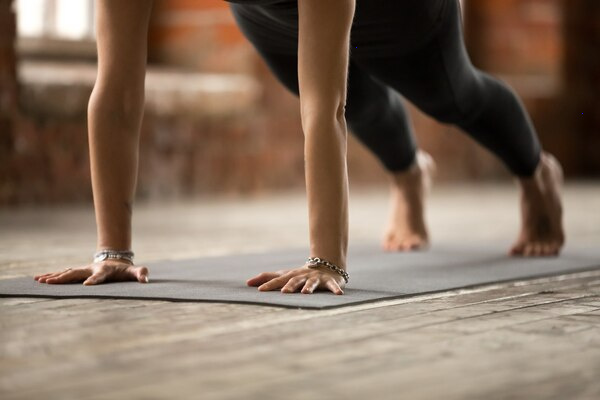
Restorative yoga is one of the gentlest, most relaxing forms of yoga—and it’s especially helpful if you struggle with falling asleep, staying asleep, or simply unwinding at night. Instead of building strength or breaking a sweat, restorative yoga focuses on calming your nervous system using long-held, fully supported poses.
Below is a beginner-friendly guide to help you understand what restorative yoga is, how it supports better sleep, and how to start a simple nighttime practice at home.
What Is Restorative Yoga?
Restorative yoga is a slow, passive style of yoga where you hold comfortable poses for several minutes, using props (pillows, blankets, bolsters, blocks) to fully support your body. The goal is not to stretch deeply but to feel safe, held, and at ease so your body can shift from “fight-or-flight” (sympathetic nervous system) into “rest-and-digest” (parasympathetic nervous system).
Key features:
- Very gentle, accessible to most bodies
- Poses held 3–10 minutes (sometimes longer)
- Heavy use of props for comfort
- Focus on breathing and relaxation rather than effort or flexibility
How Restorative Yoga Helps Sleep
Good sleep depends on your nervous system feeling safe and relaxed. Restorative yoga supports this in several ways:
- Reduces Stress and Anxiety
Long, supported poses combined with slow breathing send your brain a signal that it’s safe to relax. This lowers stress hormones like cortisol and can reduce racing thoughts at bedtime.
- Activates the Parasympathetic Nervous System
Gentle pressure, stillness, and slow exhalations all nudge your body into a “rest-and-digest” state—ideal for falling asleep.
- Releases Physical Tension
Many of us go to bed with tight shoulders, stiff backs, or clenched jaws. Restorative poses gently unwind that tension, making it easier to get comfortable in bed.
- Creates a Wind-Down Ritual
A short, consistent restorative practice before bed acts as a cue to your body: “The day is over; it’s time to sleep.” Over time, this routine can strongly support your sleep cycle.
What You Need to Get Started
You don’t need fancy yoga gear. Everyday household items work well.
Helpful props:
- 2–3 pillows (bed pillows or firm cushions)
- 1–2 blankets or large towels
- A folded towel or small pillow for under the head or knees
- Optional: yoga strap or belt, eye pillow or small towel for the eyes
Space:
- A quiet, dimly lit room
- Enough floor space for you to lie down fully
- A yoga mat or a folded blanket for padding
Clothing:
- Soft, non-restrictive clothes
- Warm socks or a sweater if you get cold when you relax
General Guidelines for a Bedtime Restorative Practice
- Practice near bedtime. Aim for the last 20–40 minutes of your evening, after screens and heavy meals.
- Move slowly. Transitions between poses should be relaxed and unhurried.
- Use more props than you think you need. The goal is “no effort.” If anything feels like work, add support.
- Focus on comfort, not stretching. You should feel gentle ease, not an intense stretch or pull.
- Breathe naturally. Later you can add simple breath techniques, but start by just noticing your breath.
- Skip pain. Mild discomfort from stiffness is okay; sharp, pinching, or burning sensations are not.
A Simple Restorative Yoga Sequence for Better Sleep
This 20–30 minute sequence is ideal for beginners and can be done on your bed or a mat.
1. Supported Child’s Pose (Balasana) – 3–5 minutes
Helps quiet the mind, gently releases back and hip tension.
How to:
- Place a long pillow or 2 stacked pillows lengthwise on your mat or bed.
- Kneel in front of the pillows, knees slightly wider than hips, big toes touching or slightly apart.
- Lower your torso onto the pillows, turning your head to one side.
- Let your arms rest alongside the pillows or gently hug them.
- After halfway, turn your head to the other side.
Adjustments:
- Put a folded blanket under knees or ankles if they feel sensitive.
- If hips don’t reach your heels, place a cushion between heels and sitting bones.
2. Reclined Bound Angle Pose (Supta Baddha Konasana) – 5–8 minutes
Opens the hips softly and is deeply soothing for the nervous system.
How to:
- Sit on your mat/bed with a pillow or rolled blanket placed lengthwise behind you, touching your lower back.
- Bring the soles of your feet together, letting your knees drop outward.
- Place pillows or folded blankets under each knee/thigh so they are fully supported.
- Slowly lean back onto the pillow behind you, resting your head and upper back.
- Let your arms fall open to the sides, palms up, or rest them on your belly.
Adjustments:
- If your lower back is uncomfortable, place an extra folded blanket under your hips.
- If hips are tight, bring feet farther away from your body and use higher support under knees.
3. Legs Up the Wall or Supported Legs on a Chair – 5–8 minutes
Great for calming the mind, relieving tired legs, and signaling the body it’s time to rest.
Option A: Legs Up the Wall
- Sit sideways next to a wall, one hip touching it.
- Gently swing your legs up the wall as you lower your upper body down to lie on your back.
- Adjust so your hips are a few inches away from the wall; legs rest comfortably on the wall.
- Place a small cushion under your head if needed.
Option B: Legs on a Chair (easier on lower back)
- Place your calves on a chair seat or couch so that your knees are bent at 90 degrees.
- Lie flat on your back with arms resting by your sides or on your belly.
- Add a folded blanket under your hips or head for comfort.
Adjustments:
- If hamstrings feel tight, move farther from the wall.
- If your lower back is sensitive, the chair version is usually more comfortable.
4. Supported Side-Lying Twist – 3–5 minutes each side
Gently releases the spine and encourages a sense of emotional ease.
How to:
- Lie on your right side with knees bent and stacked.
- Place a pillow between your knees to keep hips aligned.
- Hug another pillow to your chest, wrapping your arms around it.
- Keep your head on a pillow so your neck stays neutral.
- Rest here and breathe into the sides and back of your ribs.
- After 3–5 minutes, slowly roll to your left side and repeat.
Adjustments:
- If your lower back is sensitive, keep knees closer to your chest.
- Add extra support between knees or under waist as needed.
5. Supported Savasana (Final Rest) – 5–10 minutes
This is the most important pose: full relaxation.
How to:
- Lie flat on your back.
- Place a pillow under your knees so your lower back can soften.
- Rest your head on a pillow; make sure your neck feels long and relaxed.
- Cover yourself with a blanket to stay warm.
- Optionally place a small towel or eye pillow over your eyes to block light.
Simple breath focus:
- Inhale gently through the nose to a slow count of 3 or 4.
- Exhale through the nose to a slow count of 4 or 5.
- Let the exhale be a little longer than the inhale, without strain.
Allow your body to become heavier with each exhale. When you’re ready to end, move very slowly, perhaps rolling to one side and then making your way to bed.
Basic Breathing Techniques for Relaxation
If you feel comfortable adding a simple breathing practice, try one of these while in any pose:
- Extended Exhale
- Inhale for 3 counts, exhale for 5.
- If that feels easy, try 4-in, 6-out.
- This longer exhale turns on the parasympathetic (“rest”) response.
- Counting Breaths
- Silently count each exhale from 1 to 10, then start over.
- If your mind wanders, gently come back to “1” without judgment.
Always avoid forcing the breath; slight discomfort means you should shorten the count.
How Often to Practice for Better Sleep
- Start with 2–3 times per week. Even 10–15 minutes can help.
- Build up to most nights. Many people benefit from a short nightly ritual, even just one or two poses.
- Be consistent. The nervous system loves routine; over time, your body will start to associate these poses with sleep.
Safety Tips and When to Be Careful
- If you have recent injuries, severe back or joint pain, uncontrolled high blood pressure, or other medical conditions, consult a healthcare provider before starting.
- Avoid any pose that causes sharp or worsening pain.
- Pregnancy: most restorative poses can be adapted, but avoid lying flat on your back for long periods after the first trimester; favor side-lying and elevated upper body positions.
Making It a Soothing Nighttime Ritual
To deepen the sleep-supporting effect, combine your restorative practice with other calming habits:
- Dim lights 30–60 minutes before bed.
- Turn off screens or use blue-light filters.
- Play soft, slow instrumental music or white noise if it relaxes you.
- Add a simple cue like lighting a candle (safely) that you only use during this practice.
- Finish your sequence and walk directly to bed without checking your phone.
Restorative yoga is not about perfection, flexibility, or performance. It’s about giving your body and mind a safe, quiet space to let go. With a few pillows, blankets, and simple poses, you can gently guide yourself toward deeper relaxation and more restful sleep—one evening at a time.